When Iran proposed a regional security pact to guarantee safe passage through the Strait of Hormuz, the response from former President Donald Trump was immediate—and characteristically blunt. He dismissed the idea as a “cynical ploy” and questioned Tehran’s credibility, pointing to years of destabilizing actions in the Persian Gulf. His skepticism isn't just political rhetoric; it reflects a broader strategic concern about Iran’s long-term intentions and the reliability of any agreement brokered under current leadership.
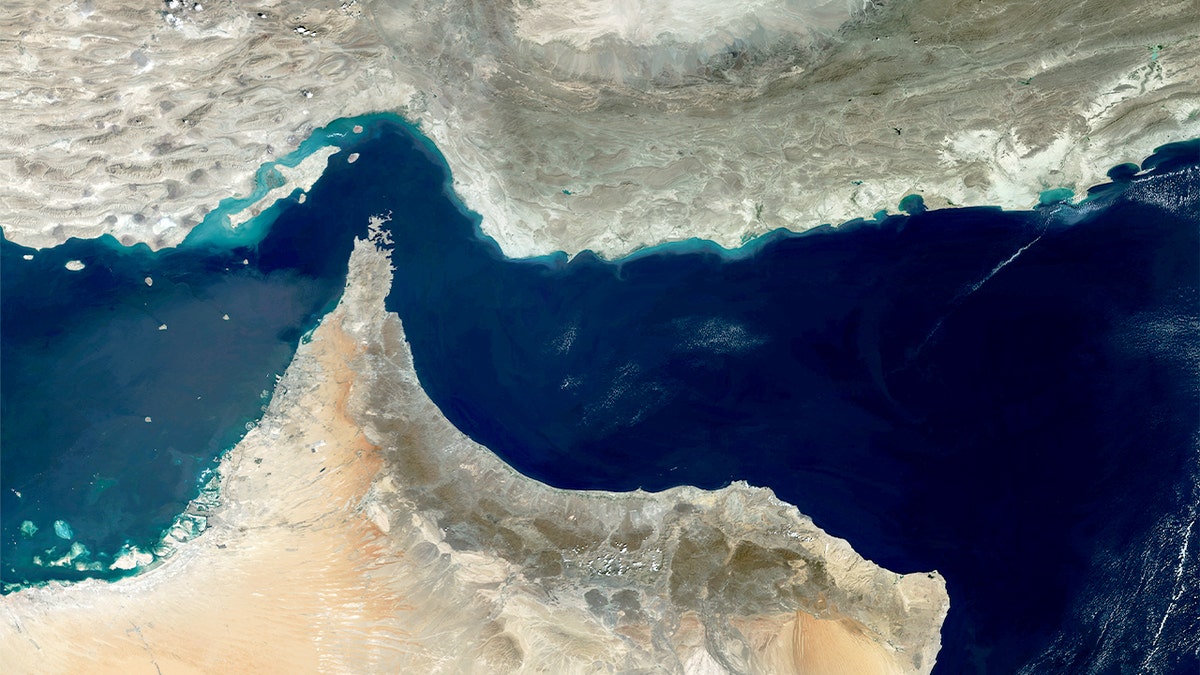
The Strait of Hormuz, a 21-mile-wide waterway between Iran and Oman, is one of the world’s most critical energy chokepoints. Nearly 20% of the world’s oil passes through it daily. Given its geopolitical importance, any proposal to alter its security framework demands scrutiny—especially when it comes from a nation with a history of naval provocations, missile tests, and hostage-taking of commercial vessels.
Trump’s resistance highlights a core dilemma in U.S. foreign policy: Can a nation that has repeatedly threatened to close the strait be trusted to co-lead its protection?
Why Iran’s Proposal Raises Red Flags
Iran’s offer to collaborate on securing the Strait of Hormuz appears on the surface to be a gesture of regional cooperation. But within this proposal lies a contradiction. Over the past decade, Iran’s Islamic Revolutionary Guard Corps Navy (IRGCN) has conducted repeated harassment of U.S. and allied ships, including high-speed close approaches and false distress calls designed to lure in rescue vessels.
In 2016, Iranian patrol boats seized two U.S. Navy riverine craft and detained 10 sailors after they accidentally entered Iranian territorial waters. The incident, though resolved diplomatically, underscored Tehran’s willingness to use maritime confrontations as leverage.
Trump called attention to these incidents, stating, “You can’t claim to want peace while pointing missiles at the world’s oil routes.” His administration had previously responded to such threats with maximum pressure campaigns—including sanctions and the deployment of carrier strike groups.
Iran’s proposal lacks specifics. There’s no defined enforcement mechanism, no third-party verification, and no indication of how disputes would be resolved. To Trump and his advisors, this vagueness suggests the plan is less about security and more about gaining legitimacy for Iran’s military presence in the strait.
Trump’s Doctrine: Deterrence Over Diplomacy
Trump’s foreign policy, particularly toward Iran, was built on the principle of deterrence. Unlike previous administrations that pursued incremental diplomacy—such as the 2015 nuclear deal—Trump favored economic and military pressure to force negotiation on U.S. terms.
This approach reached its peak in early 2020 when he authorized the drone strike that killed Qasem Soleimani, commander of Iran’s Quds Force. That decision, while controversial, signaled a clear message: the U.S. would not tolerate perceived threats to its forces or interests in the region.
Applying this lens to Iran’s Strait of Hormuz proposal, Trump’s skepticism makes strategic sense. To him, offering Iran a seat at the table without preconditions rewards bad behavior. He believes any agreement must include verifiable rollbacks of Iran’s missile program, withdrawal of proxies from Syria and Yemen, and transparency on nuclear activities.
“Trust but verify never worked with Iran,” Trump told reporters in a 2023 interview. “They verify, we trust, they cheat. It’s a pattern.”
The Risk of Miscalculation
One of the most dangerous aspects of Iran’s proposal is the potential for miscalculation. The strait is already a high-tension zone, with frequent close encounters between Iranian fast attack craft and U.S. Navy vessels.
If Iran were to co-manage security in the strait, it could weaponize the arrangement. For example, Iranian forces might label a commercial ship as “non-compliant,” justify its seizure, and claim it violated a jointly administered rule. With no neutral oversight body, such actions could escalate quickly.
Trump has repeatedly warned of this risk. During his presidency, he ordered the deployment of the USS Abraham Lincoln strike group to the region after intelligence suggested Iran might attack U.S. forces. The show of force de-escalated tensions—at least temporarily.
Any future security arrangement in the strait must account for asymmetric power dynamics. The U.S. and its allies rely on freedom of navigation. Iran, meanwhile, sees the strait as a strategic asset it can leverage during crises. Bridging that gap requires more than goodwill—it demands enforceable mechanisms and consequences for violations.
Regional Alliances and the Gulf States’ Dilemma
Trump’s skepticism isn’t isolated. Key Gulf allies—particularly Saudi Arabia, the UAE, and Bahrain—have also voiced concerns about Iran’s intentions. These nations have experienced drone and missile attacks on oil infrastructure they attribute to Iran or its proxies.
In 2019, attacks on Saudi oil facilities at Abqaiq and Khurais disrupted half of the kingdom’s production. The U.S. blamed Iran, though Tehran denied involvement. The incident highlighted how vulnerable energy infrastructure remains—even with military alliances in place.
For these countries, Iran’s proposal raises a troubling question: Why would a nation capable of such attacks suddenly offer stability?
Trump emphasized the importance of consulting Gulf partners before entertaining any Iranian overture. “The Saudis and Emirates know Iran better than anyone,” he said. “If they’re not on board, we shouldn’t be either.”
Regional buy-in is essential. Without it, any strait security pact risks fracturing existing alliances and emboldening Iranian aggression under the guise of cooperation.
Past Precedents: Failed Agreements and Broken Promises
History offers little reason to trust Iran’s latest proposal. The 2015 Joint Comprehensive Plan of Action (JCPOA), commonly known as the Iran nuclear deal, was built on similar promises of transparency and restraint. Yet within three years, the International Atomic Energy Agency (IAEA) reported Iran had exceeded uranium enrichment limits.
Trump withdrew from the deal in 2018, calling it “the worst agreement ever negotiated.” Subsequent attempts to revive it have stalled, with Iran now enriching uranium to near-weapons-grade levels.
This track record fuels Trump’s argument that Iran uses negotiations as a cover for advancing its military capabilities. The Strait of Hormuz proposal, in his view, follows the same playbook: offer talks, gain sanctions relief, continue hostile activities behind the scenes.
“Every time we’ve trusted Iran, they’ve exploited it,” Trump said. “We can’t afford another mistake with the world’s oil supply on the line.”
A Strategic Alternative: Maritime Coalitions
Rather than partnering directly with Iran, Trump has advocated for strengthening existing U.S.-led maritime coalitions. One such initiative, the International Maritime Security Construct (IMSC), was launched in 2019 to protect shipping in the Persian Gulf and Red Sea.
The IMSC includes over a dozen nations, including the UK, Australia, and Bahrain. It operates the Sentinel program, which monitors vessel movements and responds to distress calls. Unlike Iran’s proposal, the IMSC emphasizes transparency, interoperability, and rapid response.

Trump praised the coalition as a “real solution” that doesn’t depend on trusting adversaries. “We don’t need to make deals with hostage-takers to keep the strait open,” he said. “We need more ships, better coordination, and a clear message: interfere with global trade, and you’ll face consequences.”
Expanding the IMSC or creating a NATO-like maritime alliance for the Gulf could offer a viable alternative to Iran’s proposal—without legitimizing its destabilizing behavior.
What Trump’s Stance Means for U.S. Policy
Trump’s skepticism isn’t just a personal opinion—it reflects a broader ideological shift in American foreign policy. It prioritizes strength over accommodation, bilateral leverage over multilateral idealism, and results over process.
This approach has critics. Some argue that isolating Iran prolongs conflict and undermines diplomatic channels. Others warn that maximum pressure can push Iran toward greater nuclear advancement or regional retaliation.
But supporters say Trump’s stance prevents appeasement. They point to North Korea, where repeated negotiations yielded no denuclearization, as proof that adversaries exploit diplomatic openings.
In the context of the Strait of Hormuz, Trump’s position sends a clear message: Security cannot be outsourced to those who threaten it. Any lasting solution must be enforceable, inclusive of regional partners, and grounded in demonstrated behavior—not promises.
The Path Forward: Conditions for Engagement
Trump has not ruled out dialogue with Iran—but only under strict conditions. He insists any talks must be tied to concrete actions: ending support for militant groups, ceasing nuclear enrichment, and releasing detained Americans.
“If they want a seat at the table, they have to earn it,” Trump stated in a 2023 policy speech. “Right now, they’re holding a knife to the world’s energy supply and asking to be a security partner. That’s not how this works.”
For the Strait of Hormuz, this means the U.S. should continue leading security efforts through coalitions, intelligence sharing, and rapid-response capabilities. Engagement with Iran should be tactical, not structural—limited to deconfliction channels to prevent accidental escalation.
Long-term stability in the region won’t come from grand treaties with unreliable actors. It will come from sustained pressure, allied unity, and a refusal to normalize aggression.
Conclusion: Trust Must Be Earned
Trump’s skepticism toward Iran’s Strait of Hormuz proposal isn’t mere posturing—it’s a calculated stance rooted in experience and regional realities. The strait is too vital, and Iran’s record too troubling, to accept cooperation at face value. Instead, the U.S. must strengthen coalitions, maintain military readiness, and demand verifiable changes before considering any joint security framework. Trust in international waters isn’t granted. It’s earned—through consistent action, not empty proposals.
FAQ
Why does Trump distrust Iran’s proposal for the Strait of Hormuz? Trump distrusts the proposal because Iran has a history of threatening the strait’s security, including seizing ships and harassing commercial vessels, making its offer appear insincere.
Has Iran ever tried to close the Strait of Hormuz? Iran has threatened to close the strait multiple times, especially during periods of heightened tension, and has conducted military exercises simulating such a blockade.
What is the Strait of Hormuz’s strategic importance? It’s a critical global oil chokepoint, with about 20% of the world’s petroleum passing through it daily, making it essential for energy markets.
What alternative does Trump support for securing the strait? Trump backs the International Maritime Security Construct (IMSC), a U.S.-led coalition that monitors and protects shipping without involving Iran.
Did Trump’s maximum pressure campaign work on Iran? The campaign significantly damaged Iran’s economy through sanctions, but Iran responded by advancing its nuclear program, leading to a stalemate.
Can Iran be a reliable partner in regional security? Given its support for proxy forces, missile development, and past naval aggression, many U.S. officials, including Trump, view Iran as an unreliable partner.
What would it take for Trump to accept Iran’s proposal? He would demand verifiable actions: ending nuclear enrichment, withdrawing from regional conflicts, ceasing attacks on shipping, and releasing detained Americans.
FAQ
What should you look for in Trump Skeptical of Iran’s Strait of Hormuz Proposal? Focus on relevance, practical value, and how well the solution matches real user intent.
Is Trump Skeptical of Iran’s Strait of Hormuz Proposal suitable for beginners? That depends on the workflow, but a clear step-by-step approach usually makes it easier to start.
How do you compare options around Trump Skeptical of Iran’s Strait of Hormuz Proposal? Compare features, trust signals, limitations, pricing, and ease of implementation.
What mistakes should you avoid? Avoid generic choices, weak validation, and decisions based only on marketing claims.
What is the next best step? Shortlist the most relevant options, validate them quickly, and refine from real-world results.