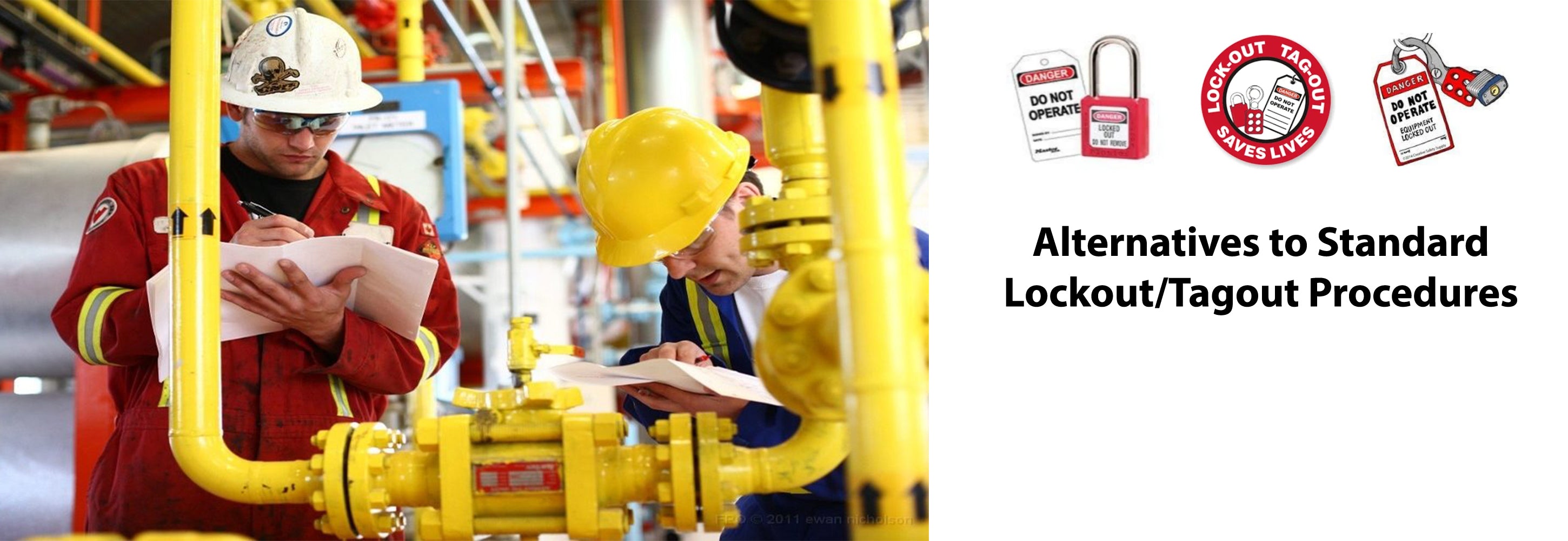
A machine powers down. A technician reaches in to clear a jam. Without proper isolation, stored energy releases—spinning gears, pressurized lines, or electrical surges turn a routine fix into a life-altering injury. This is why written lockout tagout procedures aren't just paperwork—they're lifelines.
The U.S. Department of Labor estimates that proper lockout tagout (LOTO) practices prevent 120 fatalities and 50,000 injuries annually. At the heart of that prevention? Clear, accessible, and consistently applied written procedures. Without them, LOTO is guesswork—and guesswork kills.
Yet too many organizations treat written LOTO procedures as a compliance box to check, not a core safety mechanism. Templates get copied, roles blur, and critical energy sources are overlooked. The result? Near-misses, regulatory penalties, or worse.
This guide cuts through the noise. We’ll break down what makes written lockout tagout procedures effective, how to build them right, and where most companies fall short—even when they think they’re compliant.
Why Written LOTO Procedures Are Non-Negotiable
Verbal instructions fail under stress. Memory fades. Shifts change. Equipment gets modified. Without a written standard, consistency collapses.
OSHA 29 CFR 1910.147(c)(4) mandates that employers establish written energy control procedures for machines or equipment where unexpected energization could harm employees. That means every covered machine must have a documented process—not a general policy, but a specific, step-by-step guide.
Consider a hydraulic press in a fabrication shop. It has electrical, mechanical, and fluid energy sources. A seasoned technician might know how to isolate it—today. But what about the temp worker on the night shift? Or the contractor unfamiliar with the model?
Written procedures bridge that gap. They standardize:
- Which energy sources must be controlled
- The sequence for shutting down and isolating
- Where locks and tags are applied
- Who authorizes and verifies the process
- How to safely restore operations
Without documentation, LOTO becomes a ritual, not a system.
Core Components of Effective Written LOTO Procedures
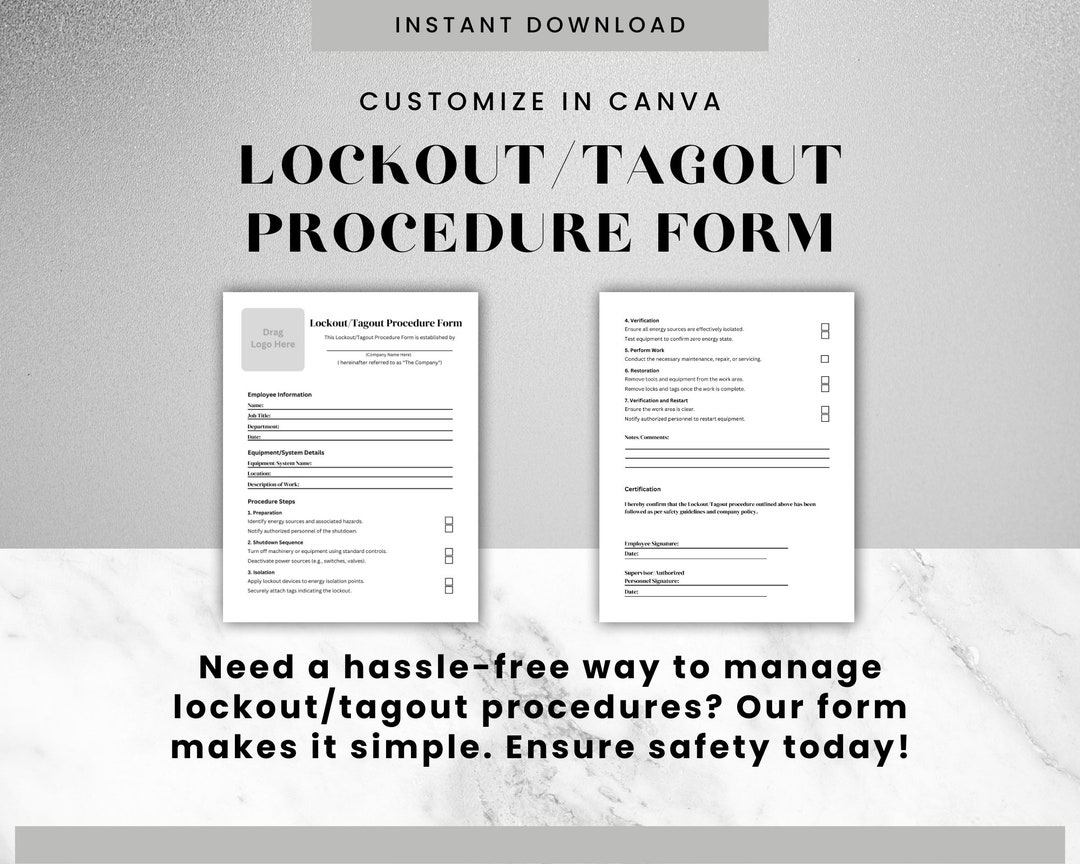
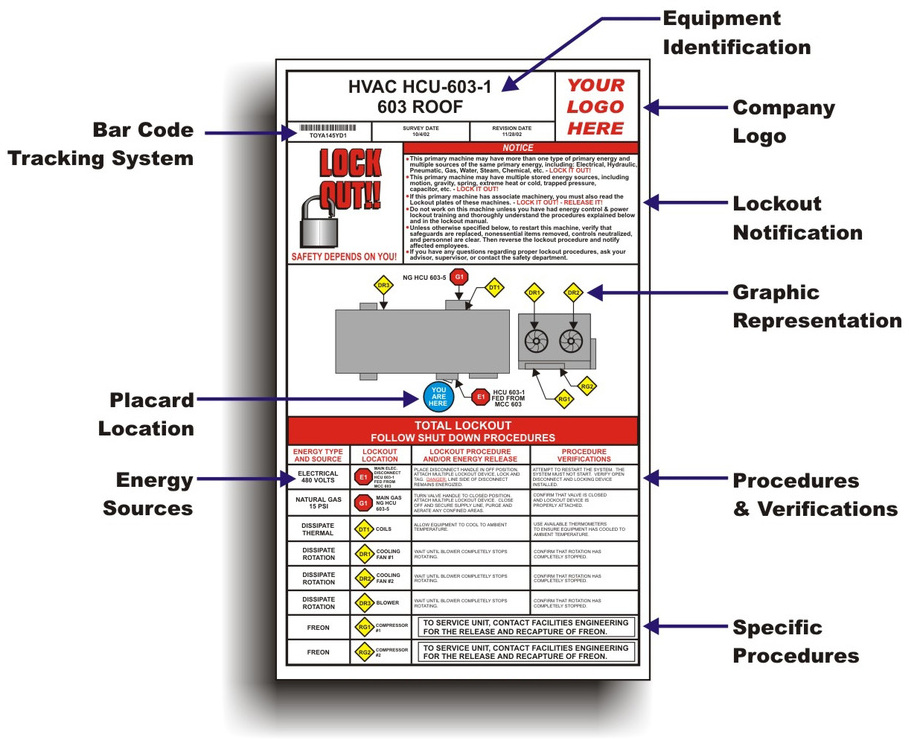
A strong written procedure isn’t a paragraph slapped on a form. It’s structured, visual, and unambiguous. Here’s what must be included:
#### 1. Equipment Identification Clearly name and describe the machine. Include location, model number, and any unique identifiers. Example: “Hydraulic Stamping Press – Model HP-3200, Production Line B, Floor 2.”
#### 2. Energy Type Inventory List every energy source: electrical, pneumatic, hydraulic, thermal, chemical, gravitational, or stored mechanical. Example: 480V electrical supply, 120 psi air lines, 2,000 psi hydraulic reservoir, spring-loaded ram.
- #### 3. Shutdown Sequence Step-by-step instructions for stopping normal operation. Specify who performs each step. Example:
- Press “Emergency Stop” button.
- Rotate main disconnect to “Off.”
- Close hydraulic isolating valve at source.
#### 4. Isolation and Lock Application Identify all isolation points and the type of lock used. Example: - Lock main electrical disconnect with personal lock (Lock #12). - Install valve lockout on hydraulic line (Lock #13). - Secure flywheel brake pin with hasp and lock.
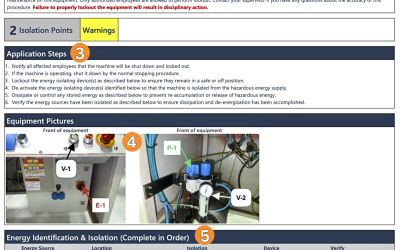
#### 5. Release of Stored Energy Detail how to dissipate or block residual energy. Example: - Depressurize hydraulic lines using bleed valve. - Verify zero pressure with gauge. - Block the ram with safety pins.
#### 6. Verification of Isolation Mandate a test to confirm zero energy. Example: Attempt to start the machine using the control panel. Observe no movement. Re-engage E-stop.
#### 7. Tag Application Require a durable tag on every lock, including: - Employee name - Date and time - Reason for lockout - Department
#### 8. Restoration Steps Outline a controlled re-energization process. Example: - Confirm all tools removed. - Verify personnel clear of danger zone. - Remove locks only by the applying employee. - Notify team before restart.
Common Mistakes That Undermine Written Procedures
Even compliant-looking documents can fail in practice. These flaws are widespread:
1. One Procedure Fits All Using a generic template for multiple machines. A CNC lathe and a conveyor system have different energy profiles—so should their LOTO procedures.
2. Vague Language Phrases like “turn off the power” or “secure the machine” leave room for interpretation. Use action-oriented verbs: “Open circuit breaker CB-4,” “Close ball valve HV-7.”
3. Missing Stored Energy Overlooking springs, capacitors, or elevated loads. A suspended platform may retain gravitational energy even after power is cut.
4. No Verification Step Procedures that skip the “try to start” test assume isolation worked. They shouldn’t.
5. Inaccessible Documentation Storing procedures in a binder in the manager’s office defeats their purpose. They must be on-site, visible, and easy to retrieve.
6. Lack of Employee Involvement Writing procedures without input from authorized employees leads to impractical steps. The people doing the work know the machine best.
Real-World Use Case: Conveyor System Maintenance
A packaging facility uses a multi-zone conveyor for bottling. Maintenance is needed on the drive motor.
Effective Written Procedure Includes: - Equipment ID: Main Conveyor Line – Zone 3, Motor Unit M-4 - Energy Sources: 208V electrical, belt tension (mechanical) - Shutdown: Operator stops conveyor via HMI, confirms belt motion ceased - Isolation: Lock out motor disconnect (Lock #22), install belt separator tool - Stored Energy: Manually rotate belt to relieve tension, verify slack - Verification: Attempt HMI start—no response. Visually confirm disconnect is open. - Tag: Attach tag with technician name, “Motor bearing replacement” - Restoration: Remove tool, close guard, unlock, notify supervisor, restart
Without this clarity, a worker might only shut down the HMI, leaving the motor energized—risking electrocution during disassembly.
How to Develop and Maintain Written LOTO Procedures
Creating effective procedures isn’t a one-time event. Follow this workflow:
#### 1. Conduct an Energy Control Audit Walk each machine. Map every energy source. Photograph isolation points.
#### 2. Involve Authorized Employees Technicians, operators, and maintenance staff contribute real-world insights.
#### 3. Draft Machine-Specific Procedures Use a consistent format. Include diagrams or photos where helpful.
#### 4. Review and Approve Safety managers and supervisors sign off. Ensure alignment with OSHA and internal standards.
#### 5. Train Employees Review each procedure during LOTO training. Use hands-on drills.
#### 6. Store Accessibly Keep laminated copies near machines or in digital format on shop-floor tablets.
#### 7. Review Annually Update procedures after equipment modifications, incidents, or near-misses.
Digital Tools to Support Written LOTO Procedures
Paper gets lost. Updates lag. Digital systems improve accessibility and compliance tracking.
| Tool | Key Features | Best For |
|---|---|---|
| FACTS LOTO | Cloud-based procedures, mobile access, lock tracking | Mid to large manufacturers |
| LockOut/TagOut Pro (iOS/Android) | Step-by-step digital checklists, photo logs | Field teams, contractors |
| Dude Solutions | Integrated with CMMS, audit trails | Facilities with maintenance software |
| Sphera LOTO Management | Enterprise-scale, analytics, multilingual | Global operations |
| EHS Insight | Procedure builder, training links, mobile forms | Companies needing audit readiness |
These tools don’t replace written procedures—they enhance them with version control, alerts, and real-time verification.
The Cost of Incomplete or Missing Procedures
The human cost is clear: amputations, electrocutions, crushing injuries. But the operational toll is just as real.
- OSHA penalties average $15,625 per serious violation. Willful violations can exceed $156,000.
- Downtime from incident investigations can halt production for days.
- Worker morale drops when safety feels like an afterthought.
- Insurance premiums rise after recordable incidents.
One Midwest manufacturer faced a $78,000 fine after an employee reconnected a mixer without following LOTO. The written procedure existed—but it was outdated and not used. The injury: a fractured arm and torn ligaments.
Documentation without enforcement is theater. But documentation that’s clear, current, and used? That’s protection.
Final Steps to Ensure Your Written LOTO Procedures Work
Don’t let your procedures gather dust. Make them living documents:
- Audit quarterly: Pick one machine per week and observe the LOTO process against its written steps.
- Empower employees: Let workers flag unclear or missing procedures without fear.
- Use visuals: Add diagrams showing lock locations.
- Integrate with training: New hires should read and walk through at least three procedures.
- Test annually: Run drills where teams follow written procedures under supervision.
Written lockout tagout procedures aren’t about satisfying auditors. They’re about ensuring that every time someone shuts down a machine, they do it the same safe way—every shift, every year.
Start today: pull the procedure for your highest-risk machine. Read it aloud. Try to follow it exactly. If anything is unclear, ambiguous, or missing—revise it now. Not next week. Not before the next audit. Now.
Someone’s safety depends on it.
FAQ
What qualifies as a written lockout tagout procedure? A machine-specific document detailing shutdown, isolation, lock application, stored energy release, verification, and re-energization steps.
Do all machines need a written LOTO procedure? Only those with hazardous energy that could harm workers during servicing. Simple devices like corded hand tools may be exempt if fully unplugged and under operator control.
Who should write LOTO procedures? Safety managers with input from authorized employees who perform the maintenance.
Can digital documents count as “written” procedures? Yes, if they’re accessible, printable, and available at the worksite during servicing.
How often should written LOTO procedures be reviewed? At least annually, or after equipment changes, incidents, or near-misses.
Can one procedure cover multiple similar machines? Only if they are identical in energy sources and isolation points. Otherwise, each machine needs its own.
What’s the difference between a policy and a procedure? A policy states the company’s LOTO commitment. A procedure provides the step-by-step instructions for a specific machine.
FAQ
What should you look for in Written Lockout Tagout Procedures: A Complete Guide? Focus on relevance, practical value, and how well the solution matches real user intent.
Is Written Lockout Tagout Procedures: A Complete Guide suitable for beginners? That depends on the workflow, but a clear step-by-step approach usually makes it easier to start.
How do you compare options around Written Lockout Tagout Procedures: A Complete Guide? Compare features, trust signals, limitations, pricing, and ease of implementation.
What mistakes should you avoid? Avoid generic choices, weak validation, and decisions based only on marketing claims.
What is the next best step? Shortlist the most relevant options, validate them quickly, and refine from real-world results.