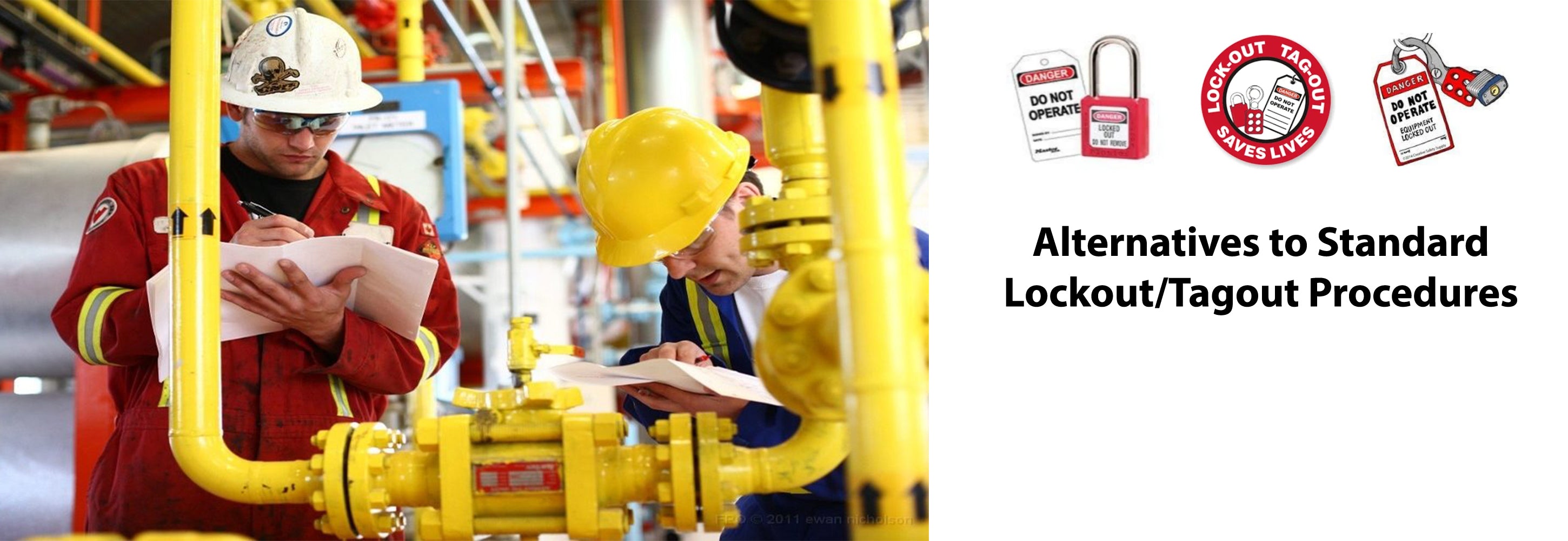
Every year, hundreds of workers suffer serious injuries—or worse—because machinery was accidentally energized during maintenance. The root cause? A missing or improperly used lockout and tagout kit. These incidents aren’t just preventable—they’re unacceptable in any professional environment where safety is a priority.
Lockout and tagout (LOTO) kits are more than just collections of locks and tags. They’re structured systems designed to isolate hazardous energy sources and keep maintenance personnel safe. From manufacturing plants to utility service teams, a reliable LOTO kit isn’t optional—it’s a legal and ethical obligation.
This guide breaks down everything you need to know about lockout and tagout kits: their components, regulatory requirements, real-world applications, and how to choose the right one for your operation.
What Is a Lockout and Tagout Kit?
A lockout and tagout kit is a curated collection of safety devices used to de-energize machinery and prevent accidental startup during service or maintenance. The core principle is simple: isolate the energy source, lock it in the “off” position, and tag it to communicate the hazard.
These kits support what’s known as an Energy Control Program—a formalized approach to managing dangerous energy sources like electrical, hydraulic, pneumatic, mechanical, or chemical energy.
Without a proper kit, even a routine repair can become deadly. Consider a technician cleaning a conveyor belt. If a coworker remotely powers the system, the result could be catastrophic. A lockout device physically prevents that switch from being activated. The tag explains why it’s locked and who is responsible.
Why Your Business Needs a LOTO Kit
Compliance with OSHA standards (29 CFR 1910.147) is the most cited reason for implementing lockout and tagout procedures. But beyond legal requirements, here’s why every facility needs a LOTO kit:
1. Prevents Accidental Startups Machines don’t distinguish between operators and maintenance staff. A single misstep—like hitting the wrong button—can energize equipment mid-repair.
2. Reduces Downtime from Incidents Workplace injuries lead to investigations, halted operations, and lost productivity. A solid LOTO system reduces risk, keeps teams operational, and avoids costly delays.
3. Supports Clear Communication Tags on locked devices inform others that work is in progress. They include the worker’s name, date, department, and reason for lockout—critical for shift handovers.
4. Encourages a Culture of Safety When lockout procedures are standardized and visible, safety becomes part of the workflow—not an afterthought.
Real-World Example: A food processing plant in Ohio avoided a severe injury when a maintenance worker locked out a large mixer before servicing it. Later, it was discovered that another team had unknowingly scheduled a test run. The lock prevented startup and potential harm.
Key Components of a Complete LOTO Kit
A quality lockout and tagout kit isn’t just a random assortment of locks. It includes purpose-built tools designed to work together. Here are the essential components:

#### Lockout Devices - Padlocks – Durable, keyed-alike or keyed-different locks used to secure energy isolation points. - Valve Lockouts – For gas, steam, or fluid lines. Slides over valve handles to prevent turning. - Circuit Breaker Lockouts – Fits over breakers to stop toggling during electrical work. - Plug Lockouts – Secures electrical cords at outlets. - Group Lockout Hasps – Allows multiple workers to apply their personal locks to a single isolation point.
#### Tagout Elements - Warning Tags – Durable, tamper-resistant tags with fields for name, date, department, and hazard description. - Tagging Pliers – For securely attaching tags to equipment.
#### Storage and Organization - Carry Cases or Toolboxes – Keeps all components organized, visible, and portable. - Checklists and Logs – Helps standardize procedures and maintain audit trails.
Pro Tip: Invest in color-coded locks. Assign red for electrical, blue for pneumatic, green for mechanical, etc. It speeds up identification and reduces confusion.
Common Mistakes That Undermine LOTO Safety
Even with a kit on hand, mistakes can render the system useless. These are the most frequent LOTO failures:
- Using Personal Locks Without Tags – A lock without a tag leaves others guessing why equipment is down.
- Skipping Group Lockout Procedures – If multiple people are working, each must apply their own lock—even if one person initiated the shutdown.
- Using Incompatible Devices – A generic padlock on a hydraulic valve may not withstand pressure or environmental conditions.
- Failing to Test the Lockout – Always verify isolation by attempting to start the machine (safely) after lockout.
- Poor Kit Maintenance – Worn tags, lost keys, or broken hasps compromise the entire system.
Example of Failure: A technician in a chemical plant used a small padlock to secure a large valve. Over time, vibration loosened the lock. During a maintenance window, the valve opened slightly, releasing hazardous vapor. Proper valve lockout hardware could have prevented this.
Choosing the Right LOTO Kit for Your Industry
Not all kits are created equal. The best choice depends on your industry, equipment types, and team size.
| Industry | Common Energy Sources | Recommended Kit Features |
|---|---|---|
| Manufacturing | Electrical, mechanical, pneumatic | Multi-lock hasps, circuit breakers, valve lockouts, group tagging |
| Utilities | High-voltage, transformers | Electrical-specific locks, insulated tools, warning cones |
| Oil & Gas | High-pressure valves, pipelines | Heavy-duty valve lockouts, explosion-proof tags, portable cases |
| Food & Beverage | Mixers, conveyors, steam lines | Washdown-resistant tags, stainless steel hardware |
| HVAC | Compressors, refrigerant lines | Plug lockouts, small valve locks, compact carry bags |
When selecting a kit, ask: - Does it cover all energy types in your facility? - Is it scalable for multiple workers? - Are replacement parts readily available? - Is the case durable and easy to transport?
Avoid “one-size-fits-all” kits unless you’re a small operation with simple machinery.
Top 5 Lockout and Tagout Kits on the Market
Here are five highly rated LOTO kits trusted across industries:
- Seton 23-Piece LOTO Kit
- - Best for: General manufacturing
- - Includes 6 lockout devices, 10 tags, hasp, and durable toolbox
- - Pros: Well-organized, OSHA-compliant, color-coded locks
- - Cons: Limited valve lockout options
- Grace 2600-IND-50 Industrial Combo Kit
- - Best for: Heavy industry
- - 50-piece set with electrical, pneumatic, and valve lockouts
- - Pros: Comprehensive, rugged carrying case, refillable
- - Cons: Expensive

- Brady LOTO-10 Hand Carry Kit
- - Best for: Small teams and mobile technicians
- - Compact, portable design with essential tools
- - Pros: Lightweight, easy to customize
- - Cons: Not ideal for multi-worker environments
- Master Lock 1494DAT6EU 6-Person Lockout Station
- - Best for: Group maintenance operations
- - Wall-mounted station with 6 individual locks and tags
- - Pros: Encourages personal accountability, expandable
- - Cons: Requires wall space, not portable
- Safeguard LOKIT-PRO Universal Kit
- - Best for: Multi-energy environments
- - Covers electrical, hydraulic, pneumatic, and mechanical sources
- - Pros: Universal adaptability, refillable, clear labeling
- - Cons: Steeper learning curve
Choose based on your operational needs—not just price. A $200 kit that prevents one incident pays for itself instantly.
Implementing LOTO: A Practical Workflow
A kit is only effective when paired with the right process. Follow this workflow:
- Prepare for Shutdown
- Identify all energy sources and required lockout devices.
- Notify Affected Personnel
- Inform operators and nearby workers about the upcoming maintenance.
- Shut Down Equipment
- Use normal stopping procedures.
- Isolate Energy Sources
- Turn off breakers, close valves, block moving parts.
- Apply Lockout Devices and Tags
- Each worker applies their personal lock and tag.
- Verify De-Energization
- Attempt to restart (safely) to confirm zero energy.
- Perform Maintenance
- Remove Locks Safely
- Only the person who applied the lock should remove it—after ensuring the area is clear.
Pro Tip: Conduct monthly drills. Simulate a lockout scenario to test team response and kit accessibility.
Final Thoughts: Safety Starts
with the Right Kit
A lockout and tagout kit is more than compliance equipment—it’s a frontline defense against preventable tragedies. The right kit, properly used, turns a high-risk task into a controlled, safe operation.
Don’t wait for an incident to justify investment. Audit your current energy control practices. Identify gaps. Equip every maintenance team with a complete, industry-specific LOTO kit. Train consistently. Review procedures quarterly.
Because when it comes to workplace safety, there’s no such thing as being too prepared.
#### Frequently Asked Questions
What is the difference between lockout and tagout? Lockout uses physical devices to prevent energy activation; tagout uses warning tags. Lockout is preferred, but tagout can be used when lockout isn’t feasible—provided additional safety measures are in place.
Who can remove a lockout device? Only the authorized employee who applied the lock should remove it. In rare cases, a supervisor may remove it following a formal, documented procedure.
Are LOTO kits required by law? Yes. OSHA mandates lockout and tagout procedures in 29 CFR 1910.147 for any maintenance involving hazardous energy.
Can one person use multiple locks on a single point? No—each authorized worker must apply their own lock. This ensures personal accountability and prevents accidental re-energizing.
How often should LOTO kits be inspected? Monthly visual checks are recommended. Full audits should occur annually or after any incident.
Do LOTO kits expire? The components don’t expire, but they degrade. Inspect locks, tags, and devices regularly for damage or wear.
Can digital systems replace physical LOTO kits? Not yet. While digital verification tools exist, OSHA still requires physical locks and tags for energy isolation.
FAQ
What should you look for in Lockout and Tagout Kits: Essential Safety for Every Workplace? Focus on relevance, practical value, and how well the solution matches real user intent.
Is Lockout and Tagout Kits: Essential Safety for Every Workplace suitable for beginners? That depends on the workflow, but a clear step-by-step approach usually makes it easier to start.
How do you compare options around Lockout and Tagout Kits: Essential Safety for Every Workplace? Compare features, trust signals, limitations, pricing, and ease of implementation.
What mistakes should you avoid? Avoid generic choices, weak validation, and decisions based only on marketing claims.
What is the next best step? Shortlist the most relevant options, validate them quickly, and refine from real-world results.