Most safety meetings are forgotten by lunchtime. Workers nod along, scribble initials on a sign-in sheet, and return to the job site with little change in behavior. That’s not a failure of intent—it’s a failure of execution.
Toolbox talks for safety are meant to be short, focused, and actionable. When done right, they cut through the noise, reinforce safe habits, and make risk visible before it turns into injury. But too many organizations treat them as compliance checkboxes, not communication opportunities. The result? Low engagement, superficial understanding, and recurring hazards.
This guide breaks down how to turn your toolbox talks into high-impact safety tools—backed by real-world structure, examples, and proven delivery tactics.
What Are Toolbox Talks—And Why They Matter
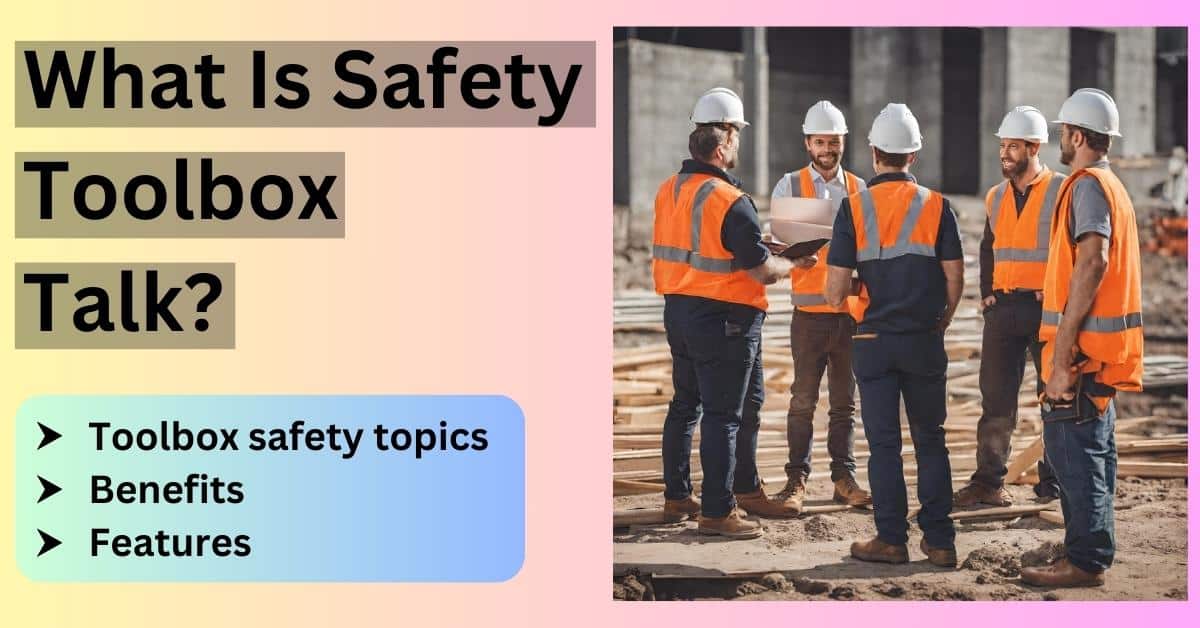
Toolbox talks are brief safety meetings, typically 10 to 15 minutes long, conducted at the job site before work begins. They’re designed to address immediate risks, reinforce procedures, and encourage team discussion around safety topics relevant to that day’s tasks.
Unlike formal training sessions, toolbox talks are informal, interactive, and situational. They work best when tied directly to the crew’s current work—like discussing overhead power lines before rigging operations or reviewing fall protection before roof work.
The impact is measurable: - OSHA reports that consistent safety communication can reduce workplace injuries by up to 60% - Companies with regular toolbox talks see higher near-miss reporting and faster hazard response - Workers are 3.2x more likely to speak up about unsafe conditions when safety dialogue is normalized
But effectiveness depends on relevance and delivery. A generic talk on “slips, trips, and falls” read from a script won’t stick. One that examines the wet patch near the scaffold access point and how the crew will manage it? That changes behavior.
Core Elements of a High-Impact Toolbox Talk
Not all toolbox talks are created equal. The best ones follow a tight structure focused on clarity and engagement. Here are the non-negotiables:
1. Relevance to Daily Work The topic must match the day’s tasks. Talking about confined space entry when the crew is pouring concrete misses the mark. Instead, focus on formwork safety, vibration tools, or curing compound handling.
Example: Before a trenching job, the talk covers soil classification, shoring requirements, and emergency exit routes—using the actual dig site as reference.
2. Crew Involvement Passive listening kills retention. Ask questions:
- “What’s the biggest hazard we face today?”
- “Has anyone seen this go wrong before?”
- “How would you stop this from becoming an incident?”
This turns a lecture into a dialogue and surfaces frontline insights.

3. Visual or Physical Demonstration Bring gear. Point to hazards. Use photos or real conditions. Showing a frayed harness strap found yesterday reinforces inspection better than any slide.
4. Clear Action Takeaway End
with a specific behavior:
- “Everyone checks anchor points before clipping in.”
- “No one enters the hoist zone without a signaler present.”
Make it doable, memorable, and enforceable.
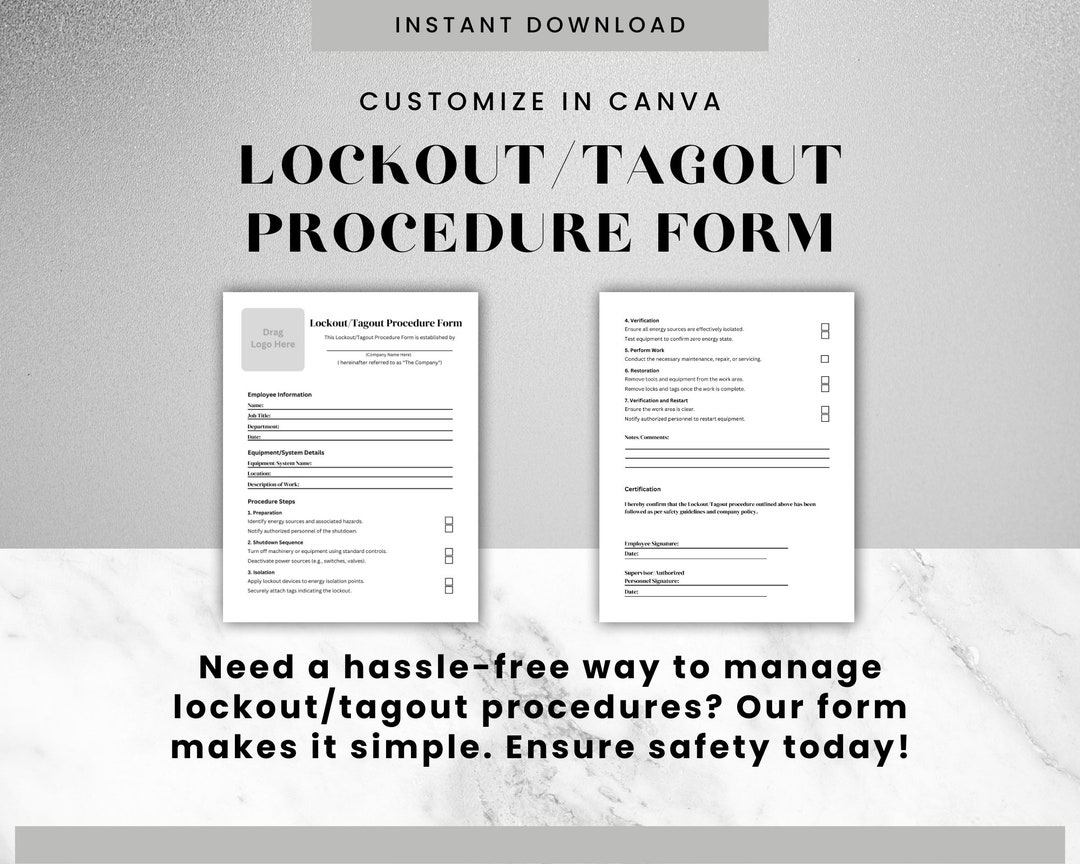
5. Documentation Without Bureaucracy Record attendance and topic—but keep it simple. A clipboard with names and signatures works. Digital tools help track trends over time, but don’t let admin overshadow the message.
Common Mistakes That Undermine Safety Talks
Even well-intentioned teams weaken their toolbox talks through recurring errors:
Repetition without variation Using the same 10 topics on rotation leads to complacency. Workers memorize answers, not behaviors.
One-person delivery When only the foreman talks, engagement drops. Rotate facilitators. Let experienced workers lead a talk on lockout/tagout or crane hand signals.
Ignoring near-misses A dropped tool, a caught sleeve, a close call in traffic—these are golden opportunities for a talk. Skip the script and address what almost happened.
Poor timing Holding talks after work starts means latecomers miss them. Schedule them as the first thing, with attendance tied to task readiness.
No follow-up If nothing changes after a talk, workers assume it didn’t matter. Walk the site later: “Did we all use the barricades we discussed?” Reinforce the message.
Real-World Toolbox Talk Examples
Here are three sample scenarios that show how effective talks are built around real conditions:
Example 1: Working at Height – Roofing Crew Topic: Fall protection on low-slope roofs Hazard: Leading edge work near skylights Talk Flow: - Point to roof edge and skylight locations - Review harness use, tether length, and anchor points - Demonstrate proper lanyard hookup - Ask: “What would stop you from using your gear right now?” Action: Inspect all harnesses before ascent. Spot-check tether positioning at midday.
Example 2: Excavation – Utility Repair Topic: Soil collapse risks Hazard: 6-foot trench in unstable soil Talk Flow: - Show soil sample; classify as Type C - Review shoring requirements and egress spacing - Ask crew: “Where’s our nearest ladder?” - Emphasize no work without trench box Action: Supervisor confirms box installation before anyone enters.
Example 3: Night Shift – Roadwork Topic: High-visibility clothing and lighting Hazard: Reduced driver awareness at night Talk Flow: - Check all crews’ reflective gear and headlamps - Review flagger positioning and hand signals - Discuss recent close call on Route 12 - Ask: “When did you last feel unseen by traffic?” Action: No one steps onto roadway without headlamp and vest.
These aren’t theoretical. They’re pulled from actual incident reports and prevention plans.
Integrating Toolbox Talks Into Your Safety Workflow
Toolbox talks shouldn’t be isolated events. They’re part of a continuous safety cycle.
Link to Hazard Assessments Before each job, conduct a quick JSA (Job Safety Analysis). Pull talk topics directly from identified risks.
Schedule Consistently Daily is ideal. If not possible, at minimum: - Before new tasks - After incidents or near-misses - When conditions change (weather, crew, equipment)
Track and Trend Use a simple log to record: - Date, topic, facilitator - Crew size and attendance - Key discussion points
Review monthly: Are the same issues coming up? Is engagement improving?
Audit for Quality Don’t just check “was a talk held?” Ask: - Was the topic relevant? - Did workers participate? - Was there a clear safety action?
This shifts focus from compliance to impact.
Tools and Resources to Support Effective Talks
While a clipboard and hard hat are enough to start, these resources amplify consistency and reach:
| Tool | Use Case | Pros | Cons |
|---|---|---|---|
| SafetyCulture (iAuditor) | Mobile checklists, talk templates, photo logging | Real-time reporting, cloud storage | Subscription cost |
| SiteDocs | Customizable safety forms, offline access | Strong for industrial sites | Steeper learning curve |
| Intelex | Enterprise EHS platform with talk tracking | Integrates with incident reporting | Overkill for small crews |
| Google Forms + Sheets | Free, simple logging | No cost, easy to use | Limited automation |
| Printed Template Books | Offline, durable, field-ready | No tech required | Hard to search or analyze |
Choose based on your team’s size, tech access, and data needs. The goal isn’t fancy software—it’s consistent delivery.
Making Safety Conversations Stick
The best toolbox talks don’t just inform—they influence. And influence comes from trust, not authority.
Use storytelling A foreman sharing how he broke his leg in a fall is more powerful than any statistic. Personal stories build emotional connection to safety.
Celebrate safe behavior Call out workers who followed procedure in a tough spot. “Shout-out to Maria for stopping work when the hoist alarm sounded.”
Keep it human Jargon kills connection. Say “watch your step” not “maintain slip-resistant footing.” Safety language should sound like people, not manuals.
Closing: Turn Routine Into Results
Toolbox talks for safety are only as strong as their execution. Done poorly, they’re a box-ticking drag. Done well, they’re a daily engine for safer work, stronger teams, and fewer incidents.
Stop recycling old topics. Stop one-way lectures. Start connecting talks to real work, real hazards, and real people.
Run your next talk like it matters—because it does. Prepare it, focus it, involve the crew, and follow up. Repeat daily. That’s how safety becomes culture.
FAQ
What should you look for in Toolbox Talks for Safety: How to Run Effective Daily Briefings? Focus on relevance, practical value, and how well the solution matches real user intent.
Is Toolbox Talks for Safety: How to Run Effective Daily Briefings suitable for beginners? That depends on the workflow, but a clear step-by-step approach usually makes it easier to start.
How do you compare options around Toolbox Talks for Safety: How to Run Effective Daily Briefings? Compare features, trust signals, limitations, pricing, and ease of implementation.
What mistakes should you avoid? Avoid generic choices, weak validation, and decisions based only on marketing claims.
What is the next best step? Shortlist the most relevant options, validate them quickly, and refine from real-world results.