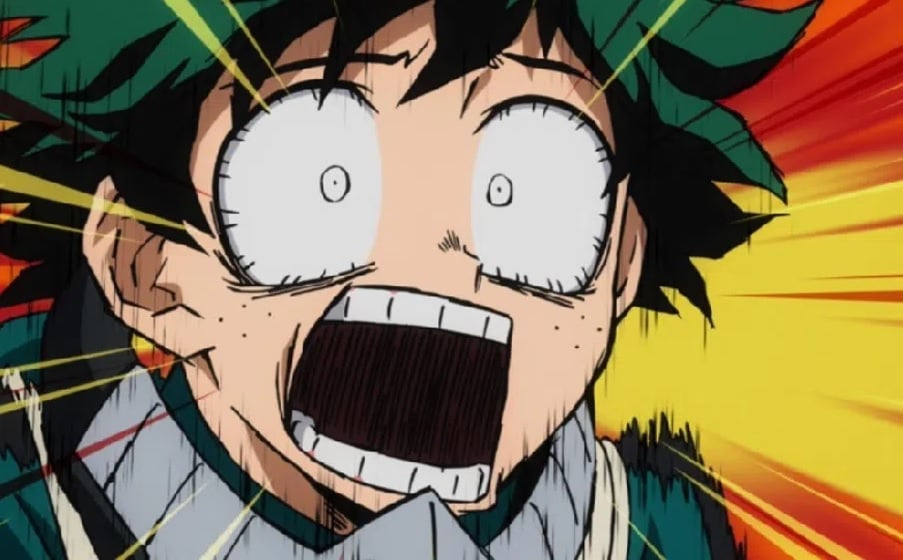
An apology meant to repair damage instead deepened the wound. A well-known English dub voice actor from My Hero Academia and active streamer recently admitted to cheating on his long-term girlfriend in a livestreamed statement—only to face an avalanche of criticism for how he framed the betrayal. What was intended as a moment of accountability unfolded as a masterclass in how not to apologize, especially when you’re a public figure with a fanbase rooted in heroism, integrity, and emotional connection.
The incident isn’t just about infidelity. It’s about tone, timing, and the widening gap between personal behavior and public persona—especially when your voice brings to life characters celebrated for moral strength.
The Livestream Confession That Missed the Mark
The voice actor, known for voicing a major supporting character in the My Hero Academia English dub, took to his Twitch channel—a platform he uses both for gaming and fan interaction—to address rumors that had been circulating in anime communities for days. Instead of a pre-recorded video or a written statement, he chose a live format.
That decision alone raised eyebrows.
Livestreaming a personal apology risks emotional manipulation, real-time justification, and the absence of editorial oversight. It allows the speaker to control the narrative in real time, deflect criticism, and play to audience sympathy. And that’s exactly what happened.
He began by confirming he had been unfaithful. But rather than lead with accountability, he pivoted immediately to his emotional state: stress from work, burnout from streaming, and “feeling disconnected” in the relationship. He named no one, offered no direct apology to his partner, and instead focused on how he was suffering.
Fans noticed. Within minutes, the chat lit up with reactions like: > “He’s blaming the job, not himself.” > “Zero ownership. This is cringe.” > “We love him as a hero, but this isn’t heroic at all.”
By the 10-minute mark, clips of the stream were circulating on Twitter, TikTok, and Reddit—with growing condemnation from both fans and fellow voice actors.
Why the Apology Failed: A Breakdown
The backlash wasn’t just about the cheating. It was about the execution. Here’s where it went wrong:
1. Lack of Direct Accountability He never said, “I made a choice to betray my partner.” Instead, he said, “Things happened,” and “I wasn’t in a good place.” This passive language distances the speaker from responsibility. It’s a common mistake in public apologies—especially among influencers who rely on fan goodwill.
2. Centering His Emotions Over the Victim’s The entire narrative revolved around his stress, his workload, his emotional fatigue. Nowhere did he acknowledge his girlfriend’s pain, betrayal, or right to privacy. For viewers, especially those who’ve experienced infidelity, this felt dismissive and self-indulgent.
3. Choosing the Wrong Platform Livestreaming a personal apology blurs the line between intimacy and performance. It turns private pain into content. Fans began questioning whether the act was genuine or a bid to regain control of the narrative before leaks spread further.

4. No Mention of Reconciliation or Consequences He didn’t say whether his partner knew, whether they were still together, or what steps he was taking to make amends. Without that, the apology felt incomplete—like a monologue with no resolution.
5. Dissonance With His On-Screen Persona
This is where the My Hero Academia connection cuts deepest. The character he voices—known for loyalty, self-sacrifice, and moral clarity—stands in stark contrast to his real-life actions. Fans don’t just consume the show; they internalize its values. When a voice actor embodies a hero but fails to live up to those ideals, it creates a jarring cognitive dissonance.
“We don’t expect voice actors to be perfect,” one Reddit user wrote. “But when you spend years telling kids to ‘save everyone,’ and then you lie to the person who loves you most? That’s not okay.”
The Fallout: From Fans to Industry
The immediate aftermath was swift.
- His Twitch subscriber count dropped by over 12% in 48 hours.
- Fan art and edits featuring him were removed from major anime communities.
- A popular My Hero Academia podcast canceled a scheduled interview.
- Cosplayers who previously collaborated with him distanced themselves online.
More concerning was the silence from his agency and the dub production team. While no official statement has been released about his status on future My Hero Academia seasons, industry insiders suggest that casting decisions may now consider not just talent, but public conduct.
Voice acting, once seen as a behind-the-scenes craft, has become increasingly personality-driven. Social media, conventions, and streaming have turned voice actors into influencers. That visibility brings opportunity—and accountability.
Streaming Culture and the Pressure to Perform
This incident also highlights the darker side of streaming culture—especially for voice actors who double as content creators.
Many My Hero Academia English cast members stream regularly, building fanbases through gaming, Q&As, and behind-the-scenes insights. But the pressure to maintain constant engagement can lead to emotional burnout, blurred personal boundaries, and impulsive decisions.
In this case, the actor admitted to streaming 20+ hours a week while recording lines, attending cons, and managing social media. That workload, he claimed, “eroded” his mental health and contributed to poor choices.
While stress doesn’t excuse cheating, it does expose a systemic issue: the entertainment industry’s expectation of perpetual availability.
Voice actors aren’t just performers—they’re brands. And brands are expected to be “on” all the time.
Common pitfalls in this dual role include: - Confusing audience intimacy with real relationships - Using streams as therapy without professional support - Prioritizing content over personal well-being - Blaming external pressures instead of taking ownership
This scandal may serve as a cautionary tale for others navigating the same path.
What a Real Apology Would Have Looked Like
If the goal was genuine repair—not just reputation management—here’s what the apology could have included:
- A private conversation first. Addressing the partner before the public.
- Direct language: “I cheated. It was wrong. I hurt you.”
- No excuses. Avoid mentioning stress, burnout, or relationship issues as causes.
- Respect for privacy. Not dragging the relationship into a public forum.
- Actions, not words. Announcing a break from streaming, seeking counseling, or stepping back from public appearances.
Instead, the stream felt like damage control disguised as vulnerability.
The Bigger Picture: Heroes Off the Screen
My Hero Academia isn’t just a show about powers. It’s about responsibility. About choosing to do what’s right, even when it’s hard.
Fans don’t demand perfection. They demand consistency.
When a voice actor spends years delivering lines about integrity, selflessness, and accountability, audiences begin to associate those values with the person behind the mic. That doesn’t mean they’re obligated to be flawless—but when they fall short, how they respond matters.
This incident isn’t just about one man’s mistake. It’s about the growing expectation for public figures—even those in niche industries—to align their actions with the ideals they represent.
Moving Forward: Accountability Over Performance
The actor has since deleted the stream and posted a brief written apology on Instagram, stating he “takes full responsibility” and is “committed to doing better.” But the damage is done. Trust, once broken, is hard to rebuild—especially when the betrayal feels so at odds with the values fans admire.
For the My Hero Academia community, this moment raises tough questions: - Should voice actors be held to the moral standards of their characters? - Where’s the line between private life and public consequence? - Can someone grow from failure without exploiting it for attention?
There are no easy answers. But one thing is clear: authenticity matters more than performance.
Fans may forgive. They may even return. But they’ll remember how the apology felt—not just what was said.
And in an era where content is constant and personas are curated, the most heroic act might simply be to say: “I was wrong. I’m sorry. I’ll do better—quietly, consistently, without an audience.”
That’s a line worth delivering.
FAQ
Did the voice actor name the character he voices in My Hero Academia? No, he did not specify during the stream. However, fans quickly identified him based on his known roles in the English dub.
Has the My Hero Academia production team responded? As of now, neither the studio nor the English dub production company has issued an official statement regarding his involvement in future seasons.
Why did fans react so strongly to the apology? The strong reaction stems from the contrast between the character’s heroic values and the actor’s actions, as well as the perceived insincerity of the apology.
Is the streamer still active on Twitch? He has resumed streaming, but with reduced viewership and increased moderation to manage toxic chat behavior.
Did his girlfriend respond publicly? No, she has not made any public statements. Her identity has been protected by the community out of respect for her privacy.
Can voice actors be replaced in anime dubs for personal conduct? Yes, it has happened before. While rare, casting changes due to controversy are possible, especially if the backlash affects the show’s reputation.
What can fans do when a beloved creator disappoints them? Many choose to separate the art from the artist, continue supporting the work while distancing from the individual, or use the moment as a discussion point about accountability.
FAQ
What should you look for in My Hero Academia Voice Actor’s Apology Backfires After Cheating Scandal? Focus on relevance, practical value, and how well the solution matches real user intent.
Is My Hero Academia Voice Actor’s Apology Backfires
After Cheating Scandal suitable for beginners? That depends on the workflow, but a clear step-by-step approach usually makes it easier to start.
How do you compare options around My Hero Academia Voice Actor’s Apology Backfires After Cheating Scandal? Compare features, trust signals, limitations, pricing, and ease of implementation.
What mistakes should you avoid? Avoid generic choices, weak validation, and decisions based only on marketing claims.
What is the next best step? Shortlist the most relevant options, validate them quickly, and refine from real-world results.