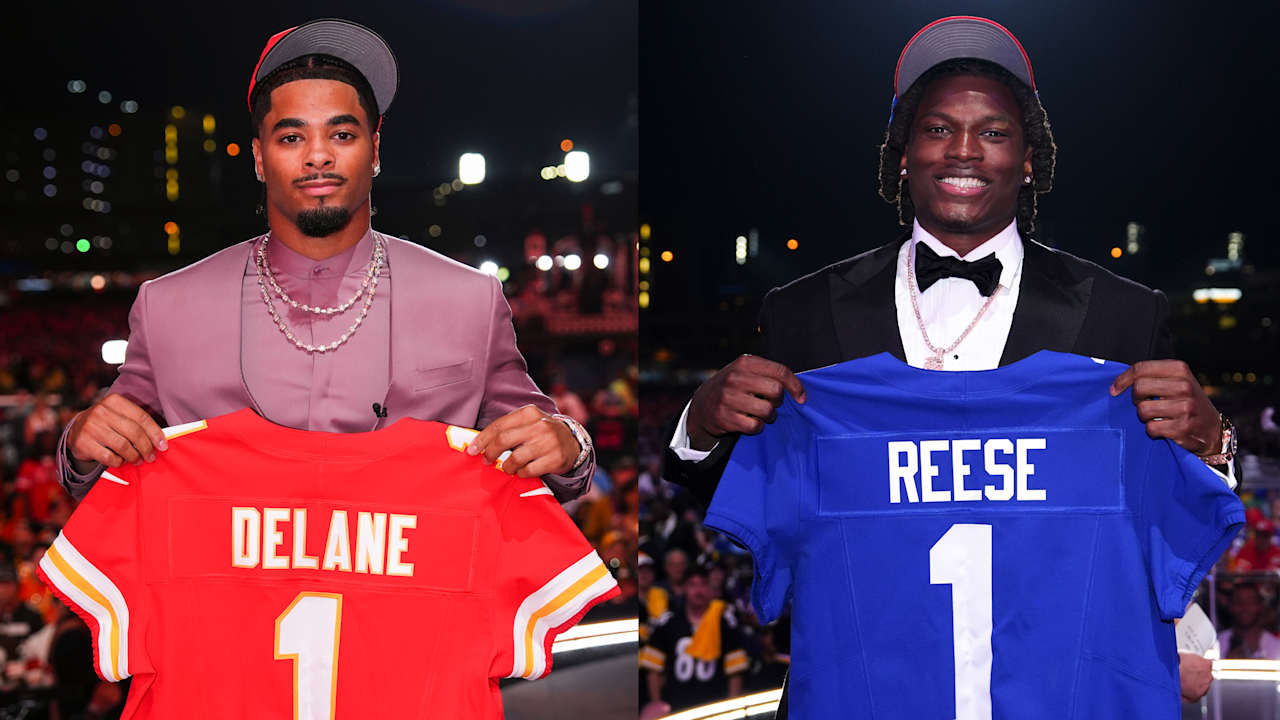
The NFL power rankings have shifted dramatically in the wake of the 2026 NFL Draft, with one team emerging as a clear offseason winner: the Kansas City Chiefs. After years of careful cap management, strategic roster moves, and consistent quarterback excellence, Kansas City executed a draft that didn't just fill needs—it amplified their ceiling. Meanwhile, the San Francisco 49ers, long praised for their front office acumen, find themselves under an uncharacteristic microscope. Their repeated tendency to “reach” for prospects—selecting players earlier than consensus grade—has sparked debate about whether their draft capital is being used optimally.
This contrast paints a broader picture of how two elite franchises approach roster construction. One doubles down on precision and patience. The other leans into belief, chemistry, and upside—even at the cost of conventional wisdom.
Why the Chiefs Are Climbing the NFL Ladder
The Chiefs didn't make flashy picks in 2026. They didn't trade up into the top 10 or select a quarterback to dangle as a potential successor. Instead, they stuck to a philosophy that’s become their hallmark: value-based drafting, positional versatility, and long-term health management.
Their first-round selection, Texas Tech edge rusher Jalen Pruitt, landed at No. 27—precisely where analysts had pegged him. Pruitt brings elite closing speed and a refined inside-out move, critical for pressuring mobile quarterbacks in the modern AFC. But the real story was their second day of the draft.
At 52 overall, Kansas City took Florida linebacker DeShawn Cole, a tackling machine with coverage flexibility. Then, in Round 4, they plucked Utah State safety Malakai Togiai, a high-IQ defender who can play deep or in the box. Add a developmental tackle in Iowa’s Reed Tran and a potential slot weapon in South Carolina’s Darius Bell, and the Chiefs added depth across all three phases—without sacrificing future capital.
What made this draft stand out wasn’t just the talent, but the restraint. No trades up. No overdrafts. No ego picks.
“They’re not drafting for headlines. They’re drafting for September, January, and February,” said longtime NFL scout Tom Rooks. “You don’t see them reaching. You see them waiting.”
The 49ers’ Draft Pattern: Calculated Belief or Repeated Mistake?
The 49ers, by contrast, picked up where they left off—trusting their evaluations even when the board disagrees. In 2026, they traded up twice in the first round: from No. 31 to No. 22 to grab Oregon tackle Braxton Lewis, and again from No. 22 to No. 15 for Alabama linebacker Tyreese Johnson.
Lewis was widely graded as a Day 2 pick. Johnson, despite elite athleticism, had injury concerns and inconsistent tape—enough to scare most teams away from the top 15. Yet San Francisco’s front office, led by John Lynch and Brandon Beane, felt confident in their medical checks and developmental plan.
This isn’t new behavior.
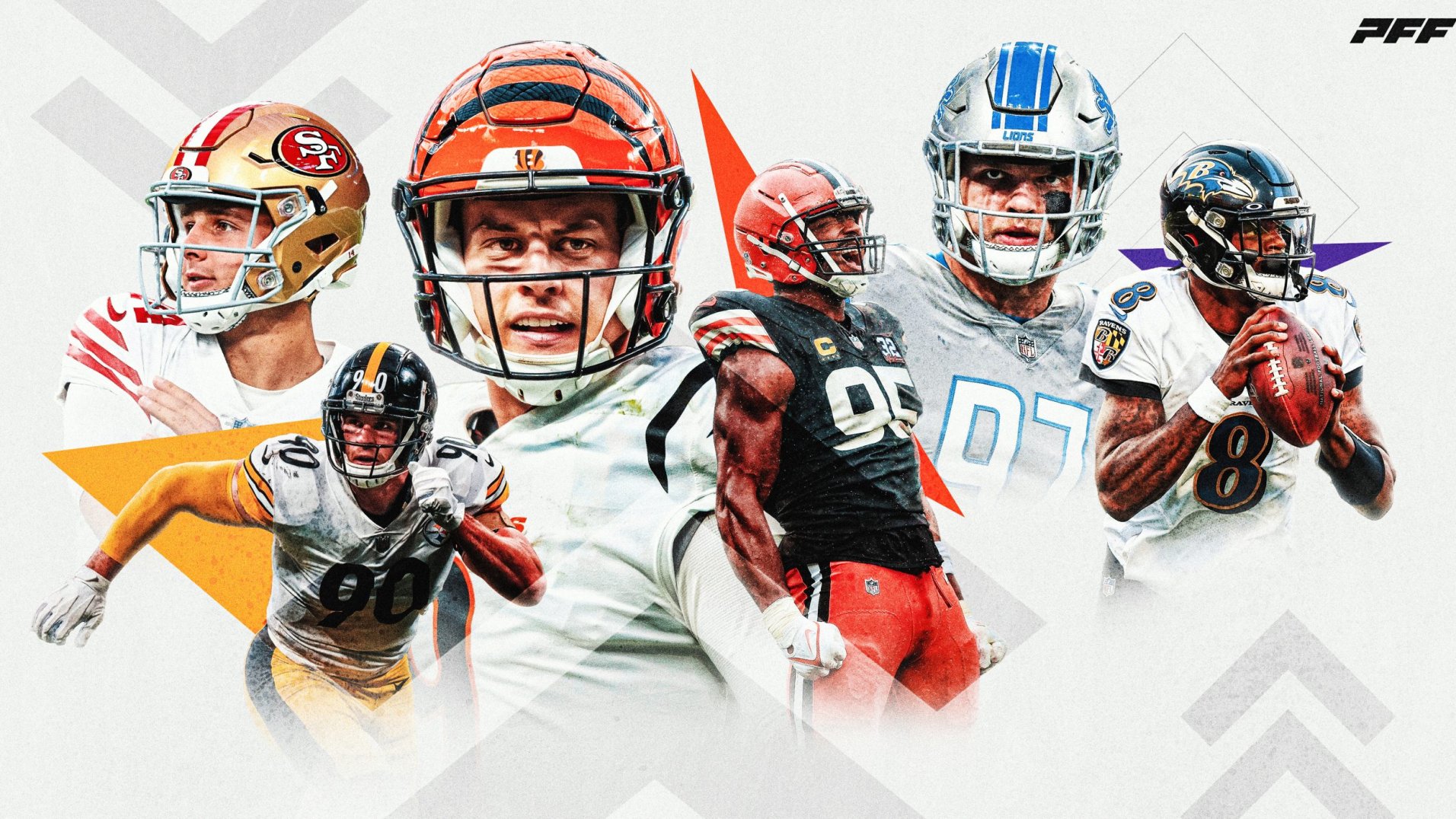
Over the past five drafts, the 49ers have traded up nine times and selected players above their consensus big board ranking on 14 occasions. In 2023, they took a cornerback at No. 11 who most graded as a second-rounder. In 2024, a tight end went at 18 despite third-round projections. Last year, a defensive end slid to Day 3—then the 49ers moved up to get him at No. 64.
The results have been mixed.
49ers’ Recent “Reach” Picks: Outcomes So Far
| Year | Player | Position | Drafted | Consensus Range | Outcome (2026) |
|---|---|---|---|---|---|
| 2022 | D. Whitmore | CB | 13 | Rd 2–3 | Rotational, injury-plagued |
| 2023 | M. Kealoha | TE | 18 | Rd 3 | Solid blocker, limited receiving role |
| 2024 | T. Rooker | DE | 64 | Rd 4–5 | Starting right end, 7 sacks in 2025 |
| 2025 | C. Delgado | LB | 41 | Rd 3 | Inactive most games, waived 2026 |
| 2026 | T. Johnson | LB | 15 | Rd 1–2 (late) | High upside, rehabbing knee injury |
The gamble with Tyreese Johnson could pay off. He has the tools to be a star. But it comes with risk—especially after losing defensive coordinator Kai Willems to Green Bay. New coordinator Kenyon Moore inherits a unit that’s talented but injury-prone, with several recent draft picks still finding their footing.
How Draft Philosophy Shapes Power Rankings
Power rankings aren't just about current rosters. They reflect trajectory, depth, coaching stability, and long-term planning. The Chiefs’ rise isn’t just because they drafted well—it’s because their entire ecosystem rewards patience.
Consider these factors driving their climb:
- Cap Flexibility: Despite Patrick Mahomes’ massive deal, KC has managed the cap with surgical precision, creating space for extensions and veteran pickups.
- Player Development: Their coaching staff excels at transitioning mid-round picks into starters. Just look at Rashee Rice or Trent McDuffie.
- Minimal Reaching: Since 2020, the Chiefs have overdrafted only twice—both times by no more than five spots. That consistency keeps their draft capital efficient.
The 49ers, meanwhile, rank high due to elite coaching, a strong offensive line, and Brock Purdy’s emergence. But their draft habits introduce volatility.
“When you keep reaching, you’re betting on your scouting being perfect,” said ESPN analyst Melinda Walker. “And no team is perfect.”
Positional Needs vs. Player Belief: A Duel of Strategies
At the heart of this contrast is a fundamental philosophical split in NFL front offices:
- Strategy A (Chiefs): Draft the best player available at value. Fill depth. Avoid overpaying in draft capital. Trust coaching to develop talent.
- Strategy B (49ers): Draft the player we believe in, even if the market disagrees. Trade up to secure upside. Prioritize fit over ranking.
Both can work. The Packers thrived for years under Strategy A. The Ravens mix both. But the 49ers lean heavily into Strategy B—and it’s beginning to show wear.
In 2026, they passed on safer, higher-graded players at safety and guard to chase Johnson and Lewis. Both could pan out, but the opportunity cost is real. That extra second-round pick in 2027? Gone. The ability to sign a premium free agent at linebacker? Tighter than expected.
Contrast that with the Chiefs, who left the draft with five rookies, two of whom could start by midseason—and still hold two second-rounders next year.
The Hidden Cost of Reaching: Long-Term Roster Crunch
One underrated consequence of consistently reaching: roster inflexibility.
When teams draft players above their grade, they create internal pressure to play them. Coaches feel obligated to justify the pick. Front offices hesitate to cut them early. This leads to:
- Delayed development of higher-upside backups
- Cluttered depth charts
- Overinvestment in underperforming talent
The 49ers currently have five defensive linemen under 25 who were drafted higher than their board grade. Only two are clear starters. The rest rotate, clogging paths for younger, more efficient fits. This isn’t just inefficient—it’s financially reckless when considering signing bonuses and option bonuses.
Meanwhile, the Chiefs’ farm system is thriving. Their practice squad features two 2025 undrafted free agents now on the verge of starting roles. That’s sustainable. That’s scalable.
What the Power Rankings Are Really Telling Us
The latest power rankings aren’t just a snapshot—they’re a narrative.
The Chiefs are ascending not because they made bold moves, but because they avoided mistakes. They didn’t need a headline pick. They didn’t overreact to last season’s AFC Championship loss. They stuck to a process that’s delivered three Super Bowl appearances in six years.
The 49ers aren’t falling—they’re being questioned. And that’s new.
San Francisco remains a playoff lock in 2026. Purdy is healthy. The offensive line is set. But the whispers are growing: Is their draft aggression becoming a liability? Are they falling in love with prospects instead of building a balanced roster?
The answer may come in November, when Kansas City’s depth carries them through a brutal stretch. Or in December, when San Francisco’s injury report includes yet another high-upside, high-risk draft pick on IR.
Closing: Process Over Hype, Value Over Reach
The NFL rewards consistency. It punishes impatience.
The Chiefs’ rise in the power rankings reflects more than talent—it reflects discipline. They aren’t drafting for hope. They’re drafting for high probability.
The 49ers? They’re still dangerous. Their culture is elite. Their coaching is sharp. But their draft tendencies are becoming a pattern worth watching. Reaching isn’t inherently wrong—some of the best careers start with a leap of faith. But doing it repeatedly, without consistent payoff, erodes an advantage.
For fans and analysts alike, the lesson is clear: In the long game of NFL success, restraint is its own form of aggression.
If you're building a roster, bet on value. If you're predicting outcomes, trust the process. The teams that last aren’t always the boldest—they’re the smartest.
FAQ
Why are the Chiefs rising in the power rankings after the draft? The Chiefs executed a disciplined, value-driven draft, adding depth without sacrificing future capital, reinforcing their sustained contender status.
What does “reaching” mean in NFL Draft context? Reaching refers to selecting a player significantly earlier than their consensus draft position or talent grade suggests.
Have the 49ers’ reach picks been successful? Mixed results. Some, like 2024’s DE at 64, became starters. Others have underperformed or been cut, raising concerns about consistency.
Is trading up always a bad strategy? No. Trading up can secure elite talent, but it becomes problematic when overused or done for players with red flags.
How do draft mistakes affect power rankings? They signal potential long-term roster or cap issues, which analysts factor into future win projections and team trajectory.
Can the 49ers still win the Super Bowl with this strategy? Yes. Their coaching and quarterback play offset draft risks, but depth and health could be limiting factors.
What makes the Chiefs’ draft approach different? They prioritize value, avoid trades up, and focus on fit and development—minimizing risk while maximizing long-term flexibility.
What mistakes should you avoid? Avoid generic choices, weak validation, and decisions based only on marketing claims.
What is the next best step? Shortlist the most relevant options, validate them quickly, and refine from real-world results.